December 15, 2025 • 11 min read
How Audio Guide AI Is Transforming the Way We Discover Places
Gamana Editorial Team
Travel Innovation
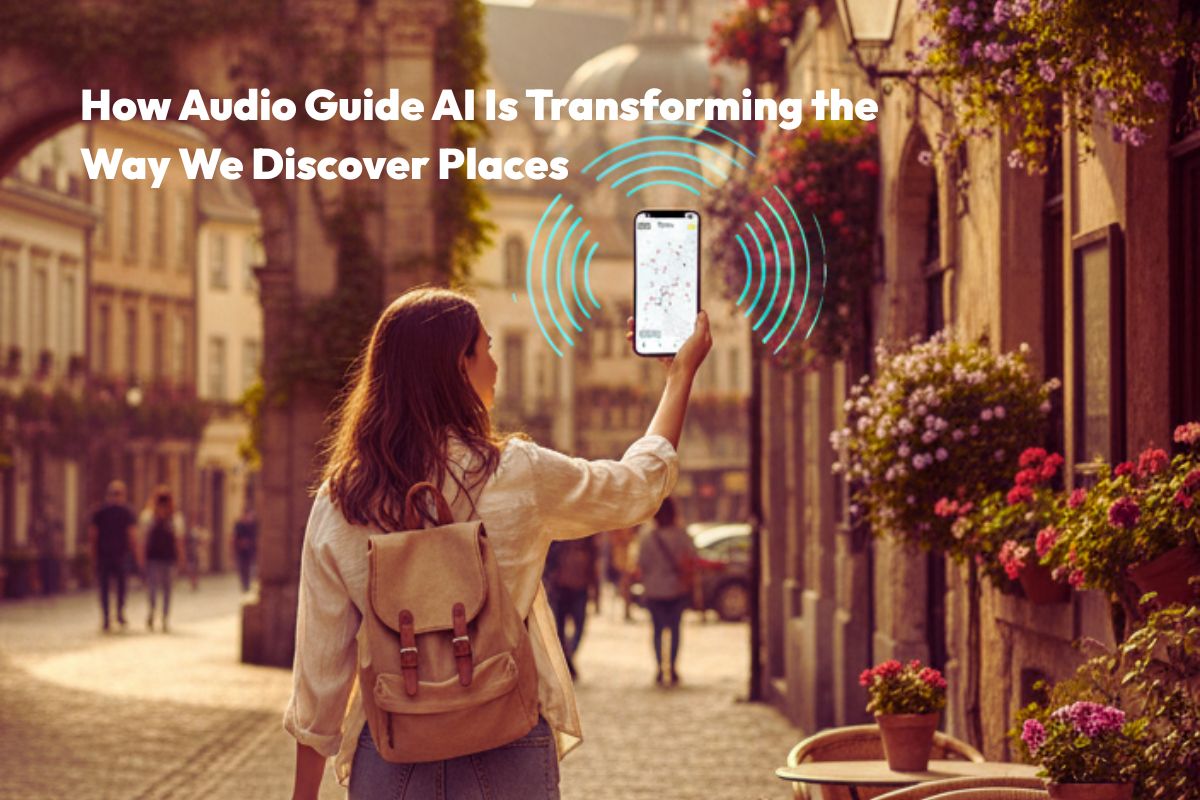
Travel has always been about discovery, but the way we experience new destinations is undergoing a remarkable transformation. Gone are the days of bulky guidebooks, rigid group tours, or struggling to read plaques while juggling maps and cameras. Welcome to the era of audio guide AI—a revolutionary technology that's reshaping how we explore the world, one story at a time.
What Is Audio Guide AI?
Audio guide AI represents the convergence of artificial intelligence, natural language processing, and location-based technology to create personalized, immersive travel experiences. Unlike traditional pre-recorded audio tours, audio tour AI systems can generate contextual information on demand, adapt to your interests, and provide insights in your preferred language and style.
These intelligent systems leverage GPS technology, voice synthesis, and vast databases of cultural and historical information to become your personal tour guide. Whether you're standing before the Taj Mahal or wandering through a hidden neighborhood in Paris, audio guide AI delivers relevant stories and insights exactly when and where you need them.
The Evolution from Traditional Audio Guides
Traditional audio guides served travelers well for decades, but they came with significant limitations. Museums and tourist sites had to invest in expensive hardware that required constant maintenance, charging, and distribution. Content updates were time-consuming and costly, often leaving information outdated. Language options were limited, and the one-size-fits-all narration couldn't cater to different interests or knowledge levels.
Audio guide AI eliminates these pain points entirely. Travelers simply use their smartphones—devices they already carry everywhere. Content can be updated instantly, ensuring information remains current and accurate. The technology supports dozens of languages, making cultural experiences accessible to a global audience. Most importantly, the experience becomes deeply personalized, with AI narrators offering different perspectives based on whether you're interested in architecture, history, art, or local culture.
How Audio Tour AI Technology Works
At its core, audio tour AI combines several sophisticated technologies working in harmony. GPS and geolocation services track your precise position, triggering relevant content as you approach points of interest. Advanced text-to-speech engines create natural-sounding narration that rivals human voice actors. Machine learning algorithms analyze vast amounts of information to generate accurate, engaging descriptions of landmarks and locations.
The most impressive aspect of this technology is its ability to provide contextual intelligence. Rather than simply reading facts from a database, modern audio guide AI systems understand relationships between locations, historical events, and cultural significance. They can weave narratives that connect different sites, highlight lesser-known details, and adapt information based on the time you're spending at each location.
Personalization: Your Journey, Your Way
One of the most transformative aspects of audio guide AI is the level of personalization it offers. Imagine having multiple expert guides at your disposal—a historian who brings centuries-old stories to life, an architect who explains the engineering marvels behind iconic structures, or a local storyteller who shares folklore and hidden cultural gems.
This personalization extends beyond just the narrator's voice and expertise. Audio tour AI learns from your behavior, noting which types of content you engage with most. If you consistently skip architectural details but spend time listening to historical anecdotes, the system adjusts future recommendations accordingly. It's like having a guide who truly understands your interests and tailors the experience in real-time.
For families traveling with children, this personalization becomes even more valuable. Parents can select age-appropriate content that keeps young travelers engaged without dumbing down the experience for adults. Everyone experiences the same location differently, making the journey more inclusive and enjoyable for all.
Breaking Down Language Barriers
Perhaps no single feature of audio guide AI has more democratizing power than its multilingual capabilities. Traditional tourism often catered primarily to English speakers, with limited options for others. Audio tour AI changes this equation dramatically.
Modern systems can deliver content in fifty or more languages, opening up cultural experiences to travelers from every corner of the globe. This isn't just about translation—it's about making world heritage sites, museums, and historical landmarks genuinely accessible to everyone, regardless of their native language.
The technology also helps preserve and share indigenous stories and perspectives. Local communities can contribute content in their own languages, ensuring that authentic voices and narratives reach global audiences. This creates a richer, more nuanced understanding of places and cultures that goes far beyond what traditional guidebooks could offer.
Cost-Effectiveness and Accessibility
The economics of audio guide AI make quality travel experiences accessible to more people than ever before. Traditional guided tours can cost anywhere from fifty to hundreds of dollars per person. Professional tour guides, while valuable, represent a significant expense that many travelers can't justify, especially when visiting multiple destinations.
Audio guide AI democratizes access to expert knowledge at a fraction of the cost. Many services offer free basic experiences or affordable subscription models that cost less than a single guided tour. For budget-conscious travelers, students, and families, this represents a game-changing opportunity to enrich their journeys without financial strain.
The technology also eliminates the constraints of scheduled tour times. You're not bound by a tour that starts at ten in the morning or requires booking weeks in advance. Explore at your own pace, whether that means lingering at a favorite exhibit for an hour or quickly moving through areas that don't captivate you.
Environmental and Practical Benefits
The shift from physical audio guide devices to smartphone-based audio tour AI carries significant environmental benefits. Museums and tourist attractions no longer need to manufacture, maintain, and eventually dispose of thousands of plastic devices. This reduction in electronic waste aligns with growing awareness about sustainable tourism practices.
From a practical standpoint, the advantages are equally compelling. No more waiting in long queues to collect and return audio devices. No concerns about battery life cutting your exploration short. No frustration with malfunctioning equipment or searching for the right channel number. Your smartphone becomes your gateway to unlimited knowledge, always charged and ready through your own device management.
The Gamana Difference: Premium AI-Powered Audio Tours
While the audio guide AI landscape continues to evolve, platforms like Gamana are setting new standards for what travelers can expect. Gamana combines cutting-edge artificial intelligence with a carefully curated library of audio tours across more than twenty-five cities worldwide, from bustling Delhi to historic European landmarks.
What distinguishes Gamana is its focus on quality and user experience. The platform offers a marketplace of AI-powered narrators, each with unique personalities and areas of expertise. Whether you prefer a scholarly historian's perspective or a friendly local's insider knowledge, you'll find a companion that matches your travel style.
The app's GPS-triggered storytelling creates a seamless, hands-free experience. As you walk through a city or explore a landmark, relevant stories and insights play automatically based on your location. This removes the friction of constantly checking your phone or searching for the next audio point, allowing you to stay present and immersed in your surroundings.
For travelers concerned about connectivity, Gamana offers offline download capabilities. Download your tours over WiFi before heading out, then enjoy uninterrupted narration even in areas with poor cellular coverage. This feature proves invaluable when exploring remote historical sites or traveling internationally without expensive roaming plans.
Real-World Applications and Use Cases
Audio tour AI serves diverse travel scenarios beyond traditional sightseeing. Road trippers use the technology to discover hidden gems and points of interest along their routes, transforming long drives into educational adventures. Urban explorers map out self-guided walking tours through neighborhoods, uncovering local history and architectural details they might otherwise miss.
Cultural institutions are embracing the technology to enhance visitor experiences. Museums can offer deeper context for exhibits without cluttering galleries with text panels. Historical sites can provide layered narratives that cater to different visitor interests and knowledge levels. Even cities themselves are partnering with audio guide AI platforms to create comprehensive destination guides that showcase both major attractions and off-the-beaten-path treasures.
Business travelers benefit too, using audio tour AI during limited free time to efficiently explore new cities. Instead of wasting precious hours researching and planning, they can simply activate the app and receive curated experiences based on their location and available time.
Addressing Privacy and Accuracy Concerns
As with any AI-powered technology, audio guide AI raises legitimate questions about data privacy and information accuracy. Reputable platforms prioritize user privacy, collecting only essential location data needed to trigger relevant content. Many services operate with minimal data collection, ensuring your travel experiences remain private.
Accuracy represents another critical consideration. The best audio tour AI platforms employ multi-layered verification processes, combining AI-generated content with human moderation and fact-checking. They cite sources for historical claims and regularly update information as new research emerges or situations change.
Users should look for platforms that are transparent about their information sources and update cycles. Quality audio guide AI services acknowledge when information might be incomplete or disputed, maintaining intellectual honesty that builds trust with travelers.
The Future of Travel Exploration
The trajectory of audio guide AI points toward even more immersive and intelligent experiences. Emerging technologies like augmented reality integration will overlay visual information onto real-world views, complementing audio narration with interactive visual elements. Imagine pointing your phone at a building and seeing it transform to show its historical appearance while hearing its story.
Future systems will likely incorporate social features, allowing travelers to share favorite discoveries, contribute their own insights, and connect with others exploring the same locations. Community-generated content could complement professionally curated information, creating richer, more diverse perspectives on destinations.
Advances in natural language processing may enable true conversational interactions with audio guide AI. Rather than passive listening, you might ask questions and receive detailed, contextual responses, creating a dialogue that feels remarkably human. These systems could even adapt their communication style based on your preferences, becoming more technical or more casual as appropriate.
How to Get Started with Audio Guide AI
Beginning your journey with audio guide AI is refreshingly simple. Start by identifying a platform that covers your intended destinations and offers features that match your travel style. Download the app and explore its narrator options—many platforms offer free trials or basic experiences to help you find the right fit.
Before your trip, download any offline content you'll need, ensuring you won't depend on cellular coverage during your explorations. Familiarize yourself with the interface and key features at home, so you're confident using the app when you're actually exploring.
During your travels, give yourself permission to experiment. Try different narrators to find voices and perspectives that resonate with you. Adjust playback speed if you want to cover more ground quickly or slow down for complex information. Remember that the technology should enhance your experience, not dictate it—feel free to pause, skip, or revisit content as your interests guide you.
Transforming the Travel Industry
Audio tour AI represents more than just a convenient tool for individual travelers—it's transforming the broader tourism ecosystem. Destination marketing organizations can create comprehensive audio experiences that showcase their regions without massive infrastructure investments. Small museums and historical sites that couldn't afford traditional audio guide systems can now offer world-class interpretive experiences.
Local communities benefit from audio guide AI by sharing authentic stories and perspectives directly with visitors. This creates economic opportunities beyond traditional tourism jobs while ensuring that the narratives presented about places reflect the voices of people who actually live there.
Tour guides and cultural educators aren't being replaced by this technology—they're being complemented and amplified. Many guides now use audio tour AI to enhance their offerings, providing clients with supplementary content they can access before, during, and after guided experiences.
Embracing the Audio Guide AI Revolution
The transformation audio guide AI brings to travel is profound and irreversible. We're moving from a model where knowledge about places was scarce, expensive, and difficult to access, to one where rich, personalized information is abundantly available to anyone with a smartphone.
This democratization of cultural knowledge benefits everyone. Travelers gain deeper, more meaningful connections with the places they visit. Destinations can share their stories more effectively with global audiences. The entire ecosystem becomes more accessible, sustainable, and enriching.
As audio tour AI technology continues evolving, the gap between having a personal expert guide and exploring independently continues to narrow. The future of travel isn't about choosing between guided and independent exploration—it's about having the best of both worlds through intelligent technology that adapts to your unique journey.
Whether you're planning your next international adventure or simply want to rediscover your own city through fresh eyes, audio guide AI offers an invitation to explore more deeply, learn more richly, and connect more meaningfully with the world around you. The revolution in how we discover places has arrived—and it's speaking directly to you.
Ready to transform your travel experiences? Explore the world with Gamana's AI-powered audio tours. Download the app today and discover cities like never before, with GPS-triggered stories, curated narrators, and offline access to make every journey unforgettable.